Quick answer
Blue whales are almost never seen on trips departing Anacortes; they feed far offshore in the open Pacific, not in the sheltered Salish Sea. What you can reliably watch here are orcas, humpbacks, minke and gray whales. The visitor office at 2201 Skyline Way Suite 203 is open 09:00–17:00 daily, and tours run seasonally by advance booking.
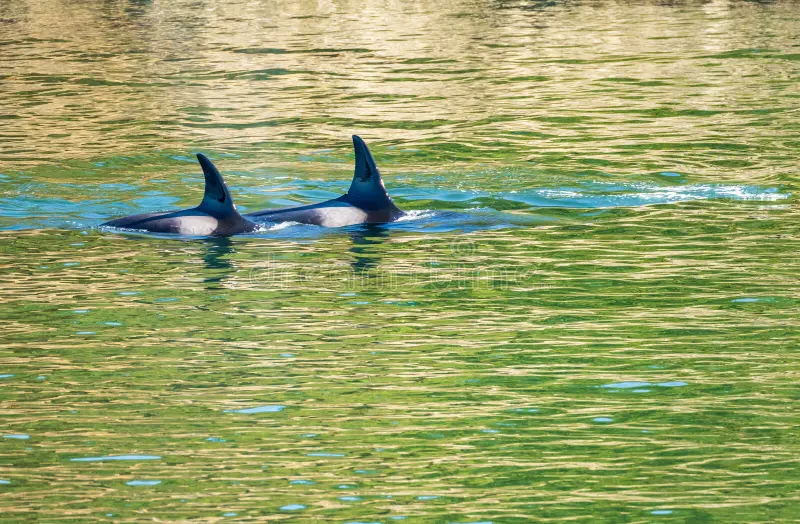
The blue whale is the largest animal known to have existed, stretching close to 30 meters and weighing more than any dinosaur, yet it almost never enters the sheltered channels around Anacortes. Visitors searching for blue whale watching anacortes usually arrive expecting that colossal silhouette, and the honest starting point is a lesson in geography. Blue whales are deep-ocean travelers. They follow dense clouds of krill along the open Pacific shelf, far west of the islands that shield this stretch of Washington coastline. What the waters off Anacortes actually hold is a different, closer cast of giants. The Salish Sea and the surrounding San Juan Islands are among the most reliable places on the planet to watch orcas, including the Southern Resident and transient pods that hunt these channels. Humpbacks have returned in growing numbers, breaching and lunge-feeding through summer. Minke whales, gray whales on migration, harbor porpoises, seals, and bald eagles round out a wildlife roster that most Anacortes whale watching tours are built around. Naturalists aboard narrate the behavior, read the dorsal fins, and explain why a baleen whale the size of a bus is trailing a shimmer of forage fish. That distinction matters for anyone planning the day. A realistic Salish Sea whale watching trip is not a hunt for one improbable species; it is a survey of an unusually rich ecosystem where sightings are common and varied. Understanding this reframes the search: the goal shifts from a single blue silhouette to the near-certainty of watching wild whales in their own current. Departures work out of the Skyline area on the western edge of town, where the marina opens toward the islands and the feeding grounds beyond. The practical logistics — sailing windows, seasonal patterns, fares, and how to reach the dock — live in the dedicated sections further down this page, each kept current for 2026. This overview exists to set expectations before any of that. Readers who came for blue whale watching anacortes leave with something more useful than a myth: a clear sense of which animals share these waters, why the biggest of all rarely appears, and how to turn a hopeful search into a booked seat on a wildlife cruise that delivers on what the region genuinely offers.
“The goal shifts from chasing one improbable silhouette to the near-certainty of watching wild whales in their own current.”
Debunking the Rumors of Blue Whale Watching Anacortes
Misconceptions about blue whale sightings in Anacortes often arise from confusion surrounding local operator names and regional whale distributions. Visitors frequently search for these giant mammals without realizing the geographic limitations of the Salish Sea.
MythAnacortes whale watching tours target and frequently spot blue whales.
FactBlue whales are ocean-dwelling mammals that feed far offshore in the deep Pacific Ocean. Local tours in the shallow, inland waters of the Salish Sea target and encounter orcas, humpback whales, minke whales, and gray whales instead.
MythSearch engine results for blue whale tours confirm the species lives near Anacortes.
FactThe association with the term blue in local searches is due to the presence of Blue Kingdom Tours. This local operator departs from Skyline Marina to search for regional marine life, not blue whales.
MythYou can book a specific blue whale watching package in Washington.
FactNo operator in the Puget Sound or San Juan Islands offers packages to view blue whales. Because these whales are exceptionally rare in Washington's inland waters, tours focus on resident and transient whale populations.
Choosing the Right Season for Blue Whale Watching Anacortes
The ideal window for whale watching in Anacortes spans from April through October, with a daily arrival window of 09:00 to 11:00 offering the calmest waters and highest visibility. Morning tours during these hours consistently provide the best conditions for spotting marine life.
June to August
High volume of summer travelersMild and sunny, 60°F to 75°F
This period aligns with peak sightings of humpback whales, minke whales, and resident orca populations. The weather is stable, though boat traffic on the water is at its highest.
April to May
Moderate weekday visitor countsCool and damp, 45°F to 60°F
Early spring brings migrating gray whales and transient orca groups through the Salish Sea. Calmer days require warm clothing, but there are fewer vessels on the water.
September to October
Lower post-Labor Day visitor trafficCrisp, clearing skies, 50°F to 65°F
Transient orcas and feeding humpbacks remain highly active before winter. Wind levels decrease after September, creating very flat water surfaces that aid visibility.
Weekday mornings
Minimal crowds and quiet harbors—
Arriving between 09:00 and 11:00 delivers the calmest sea state and reduces the chances of midday wind chop. Visibility is optimal before afternoon glare sets in.
Verdict: For the calmest seas and lowest passenger traffic, book a Tuesday through Thursday departure within the 09:00 to 11:00 arrival window in September.
Ticket Pricing and Booking Details for Blue Whale Watching Anacortes
Access to the Blue Kingdom Tours office in Anacortes is free of charge, allowing guests to inquire about departures without paying an entry fee. However, boarding a vessel for a whale watching excursion requires purchasing a paid ticket.
A typical adult pays 119 USD for a standard zodiac excursion, with prices increasing if opting for the full-day tour option.
Operating Hours for Blue Whale Watching Anacortes Offices
The Blue Kingdom Tours office in Anacortes operates daily to assist guests with scheduling and inquiries. The facility remains open seven days a week during standard business hours.
| Monday | 09:00–17:00 | Standard hours |
|---|---|---|
| Tuesday | 09:00–17:00 | Standard hours |
| Wednesday | 09:00–17:00 | Standard hours |
| Thursday | 09:00–17:00 | Standard hours |
| Friday | 09:00–17:00 | Standard hours |
| Saturday | 09:00–17:00 | Standard hours |
| Sunday | 09:00–17:00 | Standard hours |
Directions to Your Blue Whale Watching Anacortes Departure
Located at Skyline Marina in western Anacortes, the departure office at 2201 Skyline Way Suite 203 is most easily reached by vehicle from Interstate 5 via State Route 20.
I-5 Exit 230 to Highway 20 West, Oaks Avenue, and Skyline Way
Skagit Transit Route 410 to Skyline Way and Sands Way
Local service from Mount Vernon Amtrak Station to Skyline Marina
Family Guidelines and Age Restrictions for Anacortes Whale Watching
Anacortes whale watching tours offer exciting wildlife viewing for families, though specific boat designs require strict age and physical health restrictions. Understanding these guidelines before arriving at the Skyline Way office ensures a smooth, safe departure.
Age Limits
Public zodiac-style tours enforce a strict minimum age limit of six years old, and children between ages six and twelve must have an adult companion on board.
Physical Safety
The fast-paced, bumpy transit across open waters makes these vessel trips unsafe for pregnant passengers or individuals experiencing active neck and back injuries.
Stroller Policy
Strollers cannot be accommodated on the open-air zodiac boats due to limited deck space and safety hazards during high-speed travel.
Onboard Motion
Zodiac vessels ride low on the water and experience significant bouncing, which may distress younger children sensitive to sudden motion or cold sea spray.
Private Tour Alternatives
Families traveling with children under six can reserve private charters, which waive the minimum age limit and offer calmer, customized itineraries.
Expert Tips for Booking a Salish Sea Boat Tour
Preparation is key to staying comfortable and safe on a fast-paced excursion through the Salish Sea.
Layer Under Cruiser Suits
Even during warm summer months, temperatures on the open water drop significantly as the boat speeds up. Wear synthetic thermal under-layers or a fleece beneath the provided windproof gear to block the chill.
Wear the Provided Goggles
The open-air vessel creates intense wind shear and cold spray that can impair your vision. Wear the provided safety goggles during transit to protect your eyes and keep your sight clear for spotting wildlife.
Utilize Under-Seat Dry Storage
Keep your camera equipment and valuables in a sealed backpack placed in the dry compartment located under the seats. This prevents saltwater spray from splashing onto delicate electronics while the boat is in motion.
Adjust the Provided Binoculars
Every guest receives binoculars before departure to help spot distant blows and dorsal fins. Ask the onboard naturalist to calibrate the focus ring for your eyes before the vessel leaves the marina.
Stay Hydrated with Closed Bottles
The wind and salt air cause rapid dehydration, so bring a water bottle with a secure, screw-on lid. Avoid open cups, as the motion of the boat will spill liquids instantly.
Choose Footwear with Rubber Soles
Avoid leather-soled shoes or slip-ons, which become hazardous on wet, metallic boat decks. Opt for sturdy, closed-toe sneakers or boots with textured rubber outsoles to maintain stable footing.
Top Sights to Visit Around Anacortes and Skyline Marina
Fidalgo Island offers diverse shorelines, historic landmarks, and local dining options that pair naturally with a marine wildlife excursion. These adjacent destinations let you transition smoothly from a day on the water to exploring coastal forests and Pacific Northwest maritime culture.
Washington Park
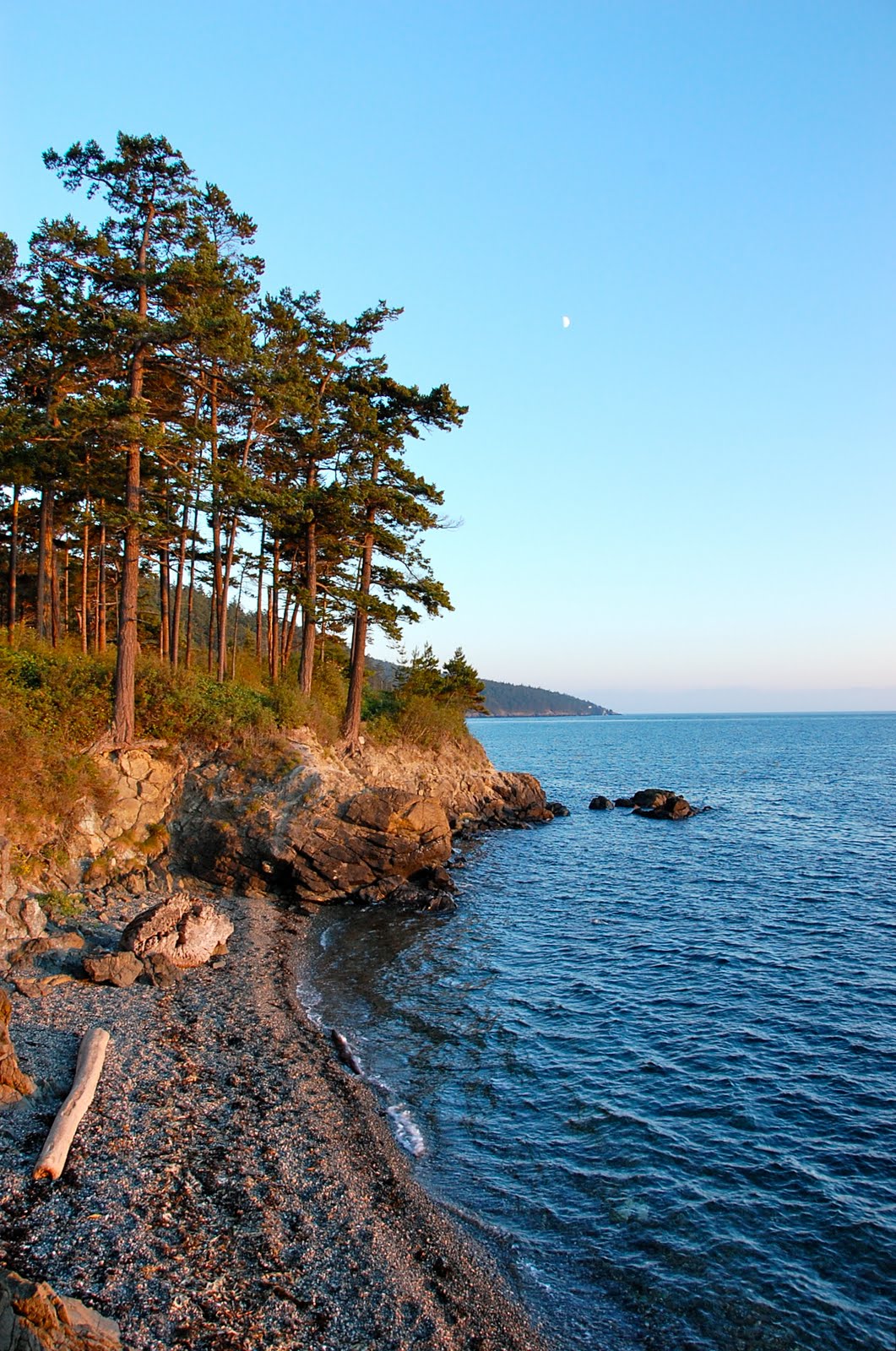
This 220-acre forested peninsula features a scenic 2.2-mile paved loop road, quiet beaches, and wooded trails overlooking Rosario Strait. It serves as an ideal spot for a pre-tour walk or a picnic right by the water.
Downtown Anacortes
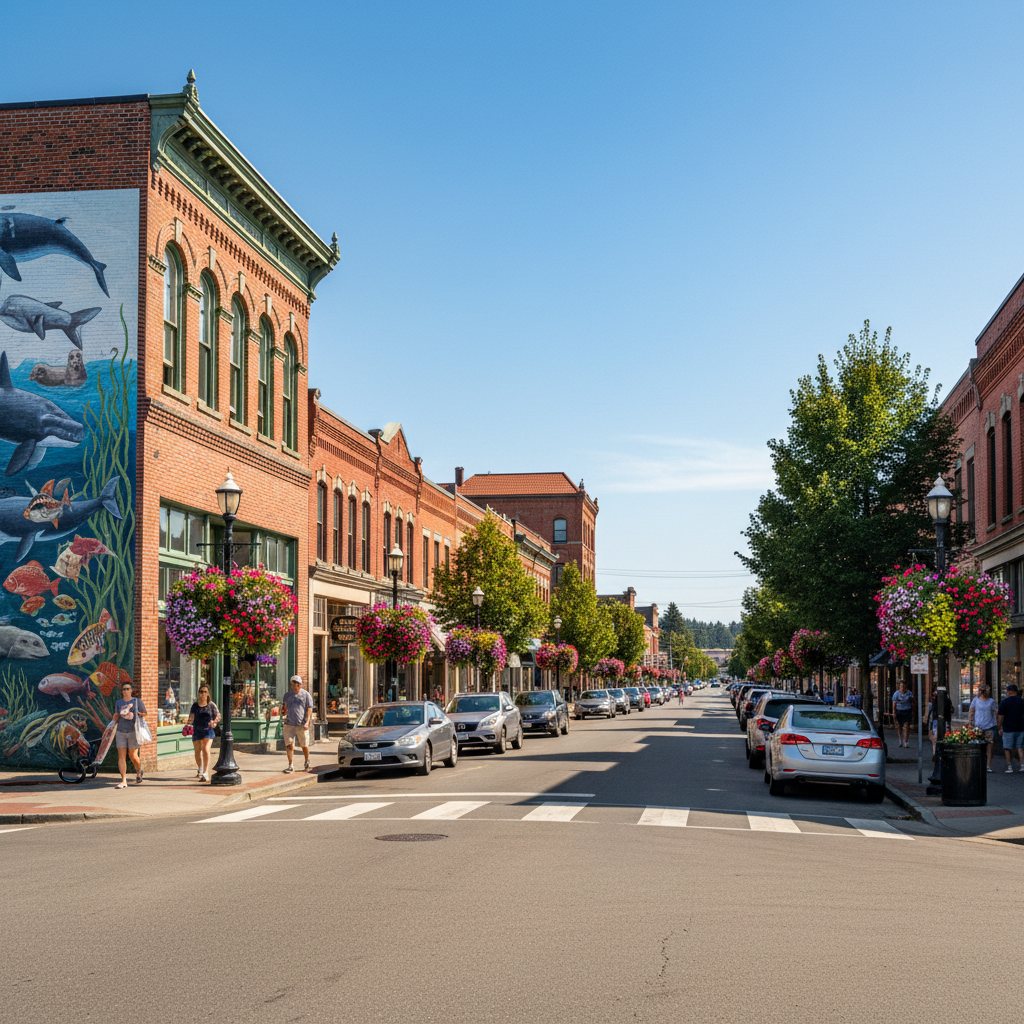
Anacortes features a historic downtown core centered along Commercial Avenue. It is packed with local seafood restaurants, coffee shops, and antique stores, making it a convenient stop for dinner after returning to dock.
Cap Sante Park
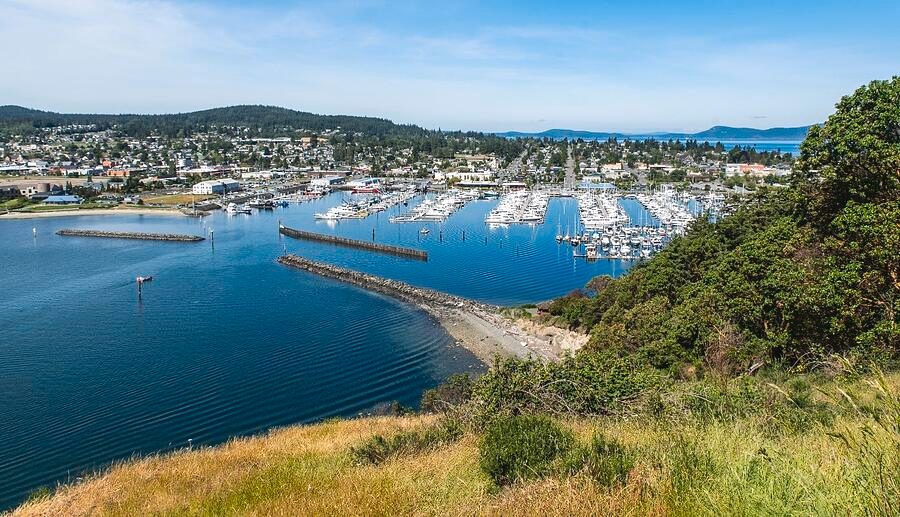
Perched on a forested promontory on the eastern side of Fidalgo Island, this viewpoint provides expansive views of Fidalgo Bay, the city marina, and Mount Baker. It offers an easily accessible vista point that requires no long hiking.
Check availability
FAQs on blue whale watching anacortes
Everything you need to know about blue whale watching anacortes