Quick answer
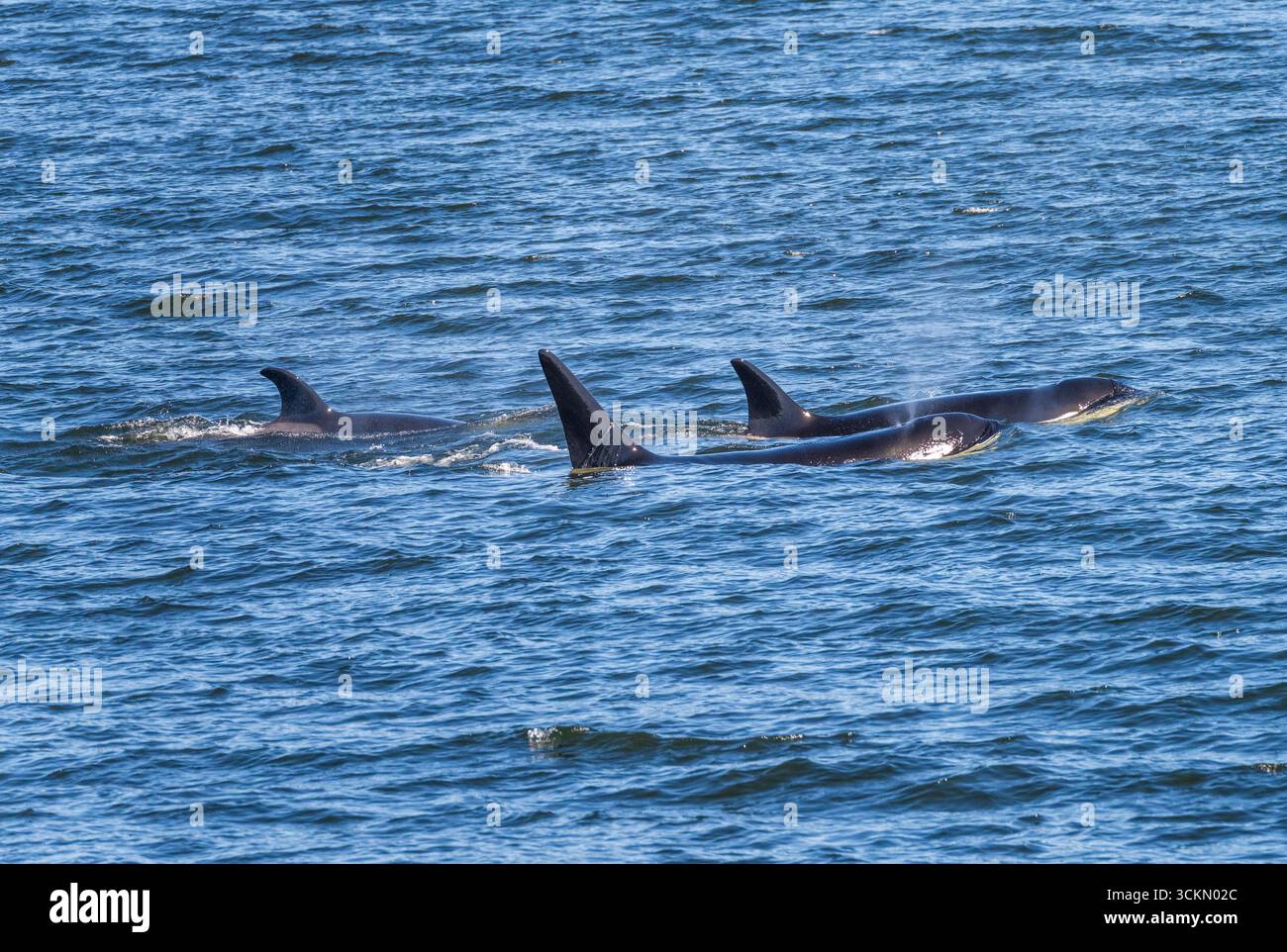
You can see whales in Puget Sound and the wider Salish Sea year-round, with the most consistent sightings from roughly May through October. Tours check in at 712 Seafarers Way in Anacortes, where the office runs 08:00–16:00 daily. Bigg's transient orcas and humpbacks now anchor many trips, so no single month is a true dead zone.
For years, the resident killer whales that gave the Salish Sea its reputation followed the salmon runs on a tight calendar, and anyone asking when can you see whales in Puget Sound was really asking about a few crowded summer weeks. That picture has shifted. Bigg's transient orcas, which hunt seals and porpoises rather than fish, now move through Rosario Strait and the channels around the San Juan Islands across far more of the year, and humpback numbers have climbed steadily since the 2010s. The result is a longer, less predictable window that rewards planning over luck. Anacortes sits at the northern edge of the system, closer to the open water where these animals feed, which is why so many operators stage departures here rather than farther south in the Sound proper. A Puget Sound whale watching trip from this harbor is less a fixed appointment than a probability game, shaped by tides, salmon, and where the pods were reported the day before. Naturalists aboard most boats radio sightings to one another, so a morning departure often has a head start on the day's whereabouts. Understanding that context is what makes the seasonal answer useful. Reading a calendar of peak months tells a visitor what is statistically likely; understanding the underlying biology explains why the likely can still surprise on the water. An Anacortes whale watching tour in a so-called shoulder month can still turn up transient orcas, minke whales, or a humpback working the Strait of Juan de Fuca, while a prime-season trip is never a guarantee. The Salish Sea does not read brochures. For the reader weighing dates, the practical takeaway is simple. Anyone asking when can you see whales in Puget Sound is better served by a framework than a timetable: settle on a season using the site's best-time notes, confirm departure days against the office schedule, and hold loose expectations about which species will appear. The check-in office keeps steady daily hours, so the harder variable is rarely access — it is the whales themselves. Orca watching season near Anacortes now stretches wider than the postcard version suggests, which is welcome news for anyone who cannot travel in July.
“The Salish Sea does not read brochures, which is why timing whale watching here is a matter of odds rather than appointments.”
The Seasonal Guide: When Can You See Whales in Puget Sound
The peak window for whale watching in Puget Sound is April through October, when migrating species and resident pods actively feed in the nutrient-rich waters surrounding Anacortes.
Spring (April to May)
Moderate visitor numbersMild, damp, 45°F to 60°F
Gray whales pass through the region during their northward migration. Resident orcas and minke whales also begin to appear more frequently.
Summer (June to August)
High weekend attendanceWarm, dry, 55°F to 75°F
Peak temperatures bring optimal conditions for spotting resident and transient orca pods. Daylight hours are long, giving operators maximum visibility on the water.
Fall (September to October)
Low to moderate trafficCool, breezy, 48°F to 62°F
Humpback whale sightings peak as they feed heavily before heading south. Late-season tours also offer frequent encounters with active transient orcas.
Weekday mornings
Fewer passengers on boats—
Wind speeds are typically lower in the mornings, preventing chop and making whales easier to spot. You also avoid the larger weekend tourist crowds.
Verdict: The optimal slot for whale watching is Tuesday to Thursday during the 08:30 to 10:00 check-in window in August or September.
Species Patterns and Behaviors: When Can You See Whales in Puget Sound
Understanding the distinct habits of Puget Sound's cetaceans reveals how different species utilize these inland waters. From fish-hunting residents to shallow-water feeding gray whales, each group follows its own ecological patterns.
80 percent of resident orca diets
Southern Resident killer whales feed exclusively on fish, with Chinook salmon making up about 80 percent of their diet. Because they rely on echolocation to find these fish, underwater noise can disrupt their hunting.
370 Bigg's killer whales in Salish Sea
These mammal-eating orcas have a growing population of over 370 individuals in the region. Unlike fish-eating residents, Bigg's killer whales hunt stealthily without using echolocation to avoid alerting seals and porpoises.
12 gray whales known as the Sounders
This specific cohort of gray whales returns to North Puget Sound every spring to feed. They use a risky feeding strategy, entering shallow waters at high tide to scoop up sand shrimp from the seafloor.
396 humpbacks documented in one year
Humpback whales have made a strong recovery in the Salish Sea, with 396 individuals documented in a single recent year. They feed primarily on krill and schooling fish, using cooperative methods to corral their prey.
30 to 40 foraging minke whales
A small, stable population of minke whales regularly feeds in the San Juan Islands and Puget Sound. As the smallest of the local baleen whales, they use rapid lunge feeding to consume schooling baitfish.
Three pods with unique acoustic dialects
The Southern Resident community is split into J, K, and L pods, which all share some vocalizations but maintain distinct dialects. Calves learn these stereotyped discrete calls from their mothers, keeping the acoustic tradition alive for generations.
How to Reach the Whale Watching Departure Docks in Anacortes
The whale watching departure dock is situated at 712 Seafarers Way, next to Cap Sante Marina in Anacortes, Washington. Travelers coming from Seattle can easily access the marina by driving north along Interstate 5 and taking State Route 20 West directly into the city center.
Interstate 5 North to Exit 230, State Route 20 West to Commercial Avenue, then Seafarers Way
Bellair Airporter Shuttle from Seattle-Tacoma International Airport to Anacortes shuttle stops
Private rideshare or taxi from downtown Seattle to Cap Sante Marina via Interstate 5 North
Amtrak Cascades from Seattle King Street Station to Mount Vernon Skagit Station, then a local taxi connection
Island Adventures Office Schedules: When Can You See Whales in Puget Sound
The Island Adventures check-in office at 712 Seafarers Way, Anacortes, WA 98221 is open daily from 08:00 to 16:00, and staff can be reached at +13602932428. Entrance to the check-in office is 0 USD, though whale watching tours require tickets.
| Monday | 08:00–16:00 | Standard office hours |
|---|---|---|
| Tuesday | 08:00–16:00 | Standard office hours |
| Wednesday | 08:00–16:00 | Standard office hours |
| Thursday | 08:00–16:00 | Standard office hours |
| Friday | 08:00–16:00 | Standard office hours |
| Saturday | 08:00–16:00 | Standard office hours |
| Sunday | 08:00–16:00 | Standard office hours |
Common Pitfalls of Puget Sound Whale Spotting
A few assumptions trip up first-time visitors to Puget Sound whale spotting. Knowing them ahead of time keeps your trip on track.
Assuming rain cancels the departure
Tours run in light rain and overcast conditions; check-in still applies. Call +13602932428 if a major storm has you unsure.
Expecting a specific orca pod on any given day
Sightings vary by day and species; no single pod is guaranteed. Treat every trip as a chance to see whatever is in the area.
Dressing for shore temperatures, not offshore breezes
Open water runs colder and windier than the dock. Add a warm, wind-resistant layer beyond what the land weather suggests.
Skipping the confirmation call after booking
Confirm your reservation and departure details before travel day. Reach the office by phone during posted hours to verify.
Treating the check-in office as the boarding point
Free entry to the office at 712 Seafarers Way is for check-in only; boarding follows staff direction. Follow crew instructions on where to board.
Pre-Trip Packing Checklist: When Can You See Whales in Puget Sound
Sort these items in the weeks before your trip so nothing slows you down on departure day.
-
Book your tour slot early — Confirm your seat through the site's booking pages before dates fill.
-
Pack windproof, layered clothing — Open water runs colder and windier than shore, even in summer.
-
Bring polarized sunglasses — They cut glare off the water so surface movement is easier to spot.
-
Pack 8x or 10x binoculars — Whales often surface at a distance, and magnification closes the gap.
-
Apply and carry sunscreen — Reflected light off the water burns exposed skin faster than expected.
-
Take motion sickness medication — Dose 30–60 minutes before boarding if open water bothers you.
-
Charge your camera and phone — A full battery lasts the whole trip without a charging option aboard.
-
Have your ID and booking ready — Check-in goes quicker when confirmation and photo ID are in hand.
Top Coastal Viewing Spots and Nearby Attractions
Pairing a boat tour with shore-based coastal vantage points provides a complete perspective of the Puget Sound marine habitat. These nearby locations offer excellent elevated views of the waterways where marine mammals travel.
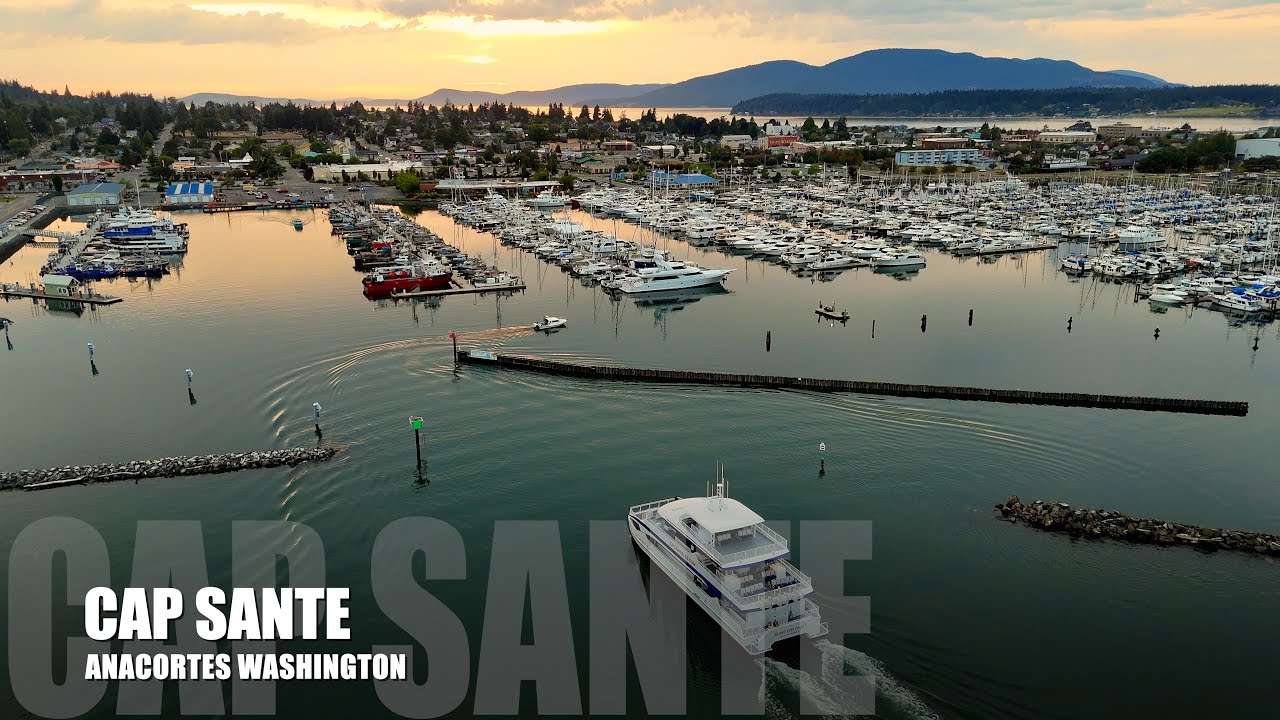
Cap Sante Park
This 37-acre forested promontory rises directly above the marina, offering panoramic views of Fidalgo Bay and the Cascades. It serves as a convenient stop to scan the harbor waters for harbor seals immediately before or after your boat excursion.
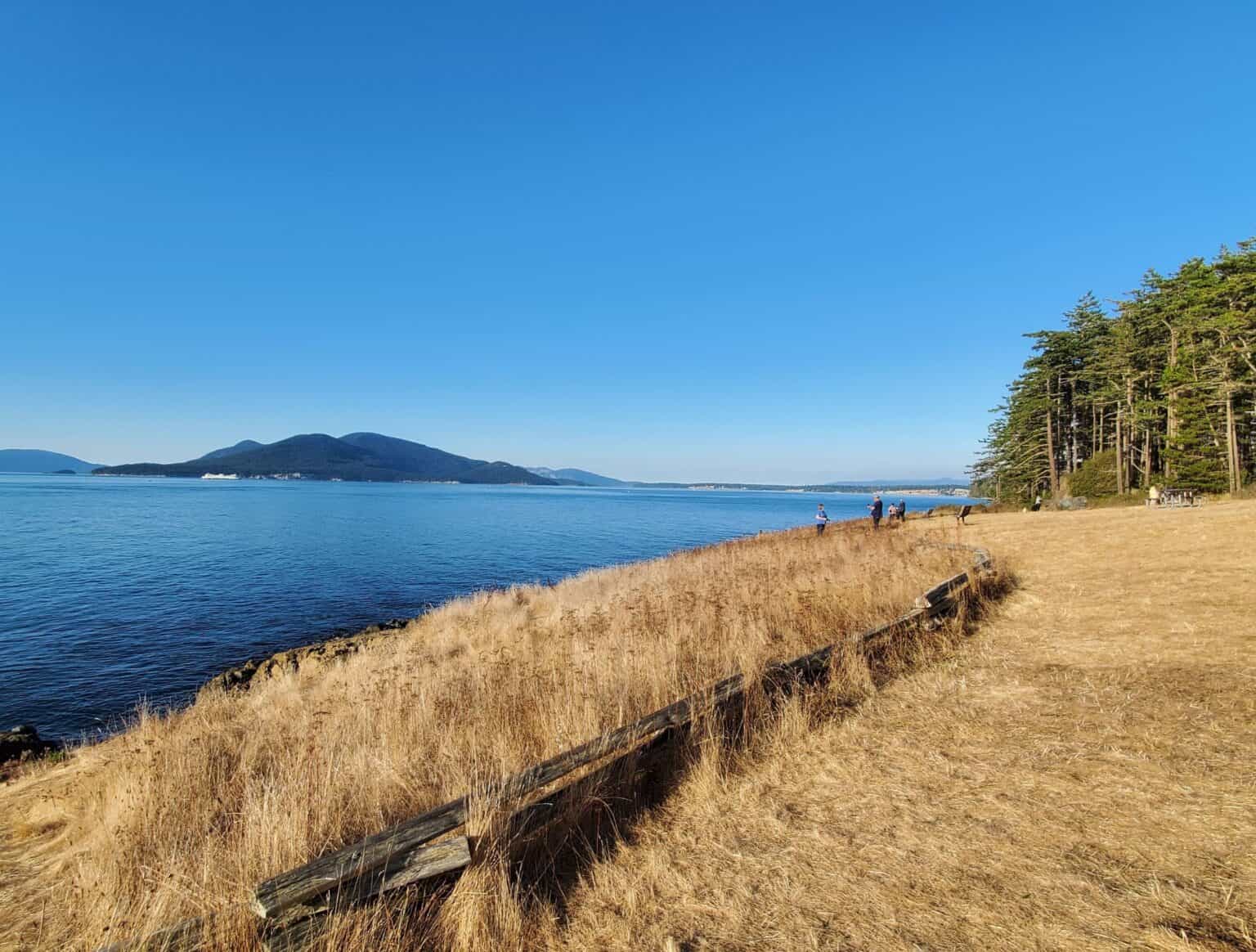
Washington Park Loop
Situated on the western tip of Fidalgo Island, this site features a 2.2-mile paved loop road with gravel paths leading to rocky beaches. As an official Whale Trail site, it offers open views of Rosario Strait where passing pods are occasionally sighted.
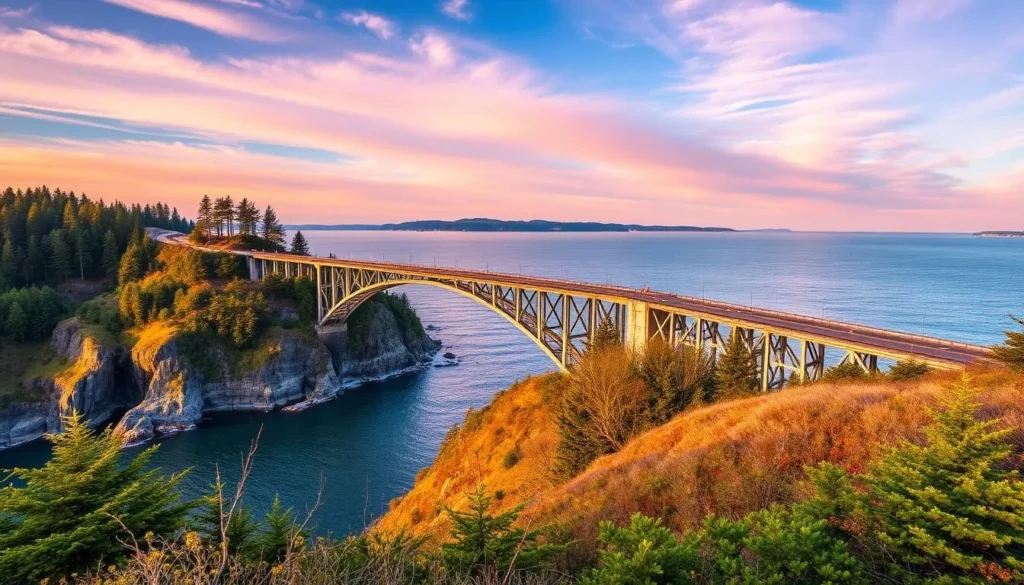
Deception Pass State Park
Located south of the city, Washington's most visited state park features dramatic cliffs and high-elevation bridge sidewalks. The overlook paths allow visitors to watch the fast-moving currents below, where harbor porpoises frequently feed during tidal changes.
Check availability
FAQ: When can you see whales in Puget Sound
Everything you need to know about when can you see whales in puget sound