Quick answer
Anacortes whale watching season generally runs from spring into fall, peaking between June and September when orcas, humpbacks, and minke whales feed across the Salish Sea. Viewing from shore is free, while boat tours require individual ticketing. Morning departures, within the 09:00–13:00 window, tend to bring calmer water and clearer wildlife visibility.
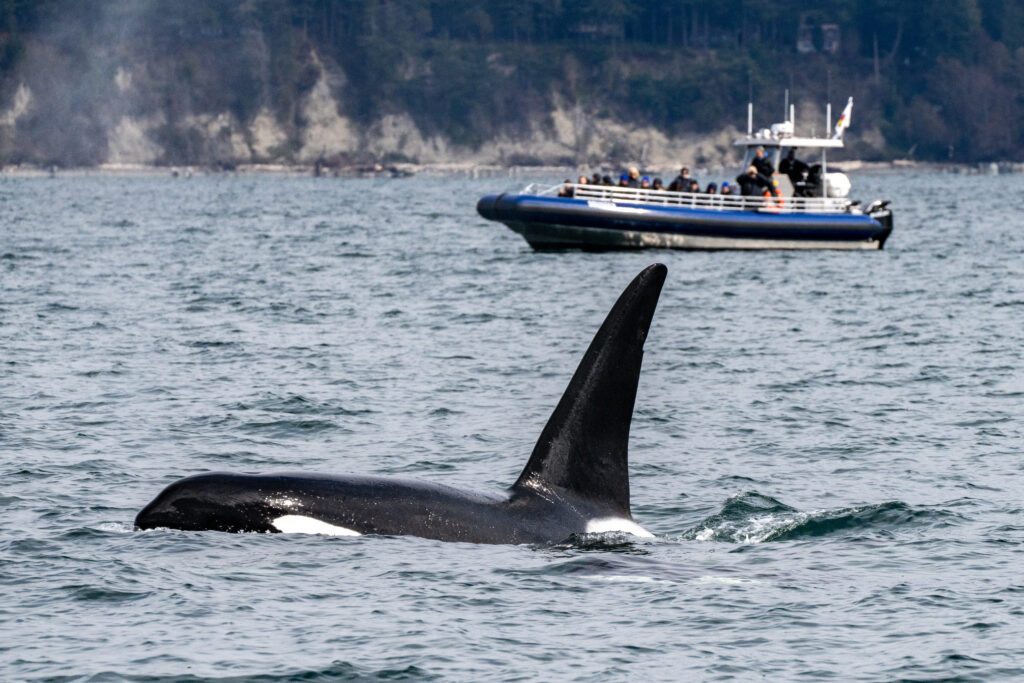
The waters off Anacortes host two orca populations that almost never mix: fish-eating Southern Residents and mammal-hunting Bigg's, often called transient, killer whales. Understanding that split is where any honest read of the anacortes whale watching season begins. Residents follow salmon runs, especially returning Chinook. Transients follow seals and porpoises. The animals a visitor sees depend less on luck than on which prey is moving through Rosario Strait and Haro Strait at the time. Anacortes sits at the eastern edge of the San Juan Islands, a launch point rather than the destination itself. Boats leave the marina and thread the channels toward open feeding grounds, where naturalists track fins and blows and log each encounter for regional research. Humpback whales have grown steadily more common in these waters over the past decade, a quiet recovery that has reshaped what summer trips look like. Minke whales work the same banks. Bald eagles, harbor seals, and Steller sea lions round out most outings, which is why crews describe them as wildlife cruises rather than single-species tours. Weather shapes the experience as much as biology. The Salish Sea runs calmest in the early hours, before afternoon wind builds chop across the straits. That pattern is why a morning Anacortes whale watching tour is the quiet backbone of the schedule. Water clarity, glare, and the angle of daylight all favor the first departures, and calmer seas make long stretches of open water easier on everyone aboard. Timing, then, is the real subject. A visitor planning around the anacortes whale watching season should weigh prey movement, sea state, and daylight together rather than chasing a single peak month. Sightings are never guaranteed on any given trip, though the odds climb sharply once the summer feeding grounds fill and the pods settle into predictable routes. Reading the season as a shifting window, rather than a fixed date on a calendar, remains the most reliable way to plan a trip that actually meets its expectations.
“Reading the season as a shifting window, not a fixed date, is the most reliable way to plan a trip.”
The Best Months and Times for the Anacortes Whale Watching Season
The optimal period for whale watching in Anacortes is from June through August during the 09:00–13:00 arrival window, when migrating salmon draw pods of orcas and weather conditions are most stable.
Spring (April to May)
Moderate tour volumesTemps 42°F to 61°F, frequent rain
Gray whales pass through local channels during their northward migration. Transient orca sightings also begin to rise as spring progresses.
Summer (June to August)
Peak tourist seasonMild and dry, temps 50°F–69°F
This is the premier season for resident and transient orca sightings. Humpbacks and minke whales also arrive in greater numbers during these warmer months.
Fall (September to October)
Lower weekday crowd sizesCooler, temps 44°F to 65°F
Humpback whale activity peaks, and transient orca sightings remain steady. Increasing winds and rain can cause occasional tour cancellations towards late October.
Daily 09:00–13:00
Lowest daily crowd levels—
Morning departures often offer calmer water conditions and better wildlife visibility. Booking within this slot avoids the typical afternoon chop on the water.
Verdict: The best slot to go is Tuesday to Thursday within the 09:00–13:00 window from June through August.
Common Misconceptions About the Anacortes Whale Watching Season
Misconceptions about marine mammal behaviors and tour schedules often influence how visitors plan their trips to the San Juan Islands from Anacortes. Understanding these patterns helps set realistic expectations for wildlife encounters and ensures travelers choose the best options for their itineraries.
MythOrcas migrate completely out of the region during the colder months
FactBigg's killer whales remain in the Salish Sea year-round because their marine mammal prey is abundant across all seasons. While the fish-eating Southern Resident pods follow salmon migration routes away from inland waters in winter, transient pods are spotted during colder months.
MythMorning tours have a higher sighting rate than afternoon departures
FactWhile morning departures often offer calmer water conditions and better wildlife visibility, overall sighting success rates remain consistent across all times. Whales do not follow a diurnal schedule, and afternoon excursions benefit from real-time tracking data gathered by earlier trips.
MythWhales are only visible if boats travel far out into the open Pacific
FactThe protected, inland waterways of the San Juan Archipelago near Anacortes serve as prime feeding grounds. Marine life, including orcas and humpback whales, is frequently observed within these sheltered channels rather than the open Pacific Ocean, providing comfortable viewing conditions.
Top Shoreline Viewpoints During the Anacortes Whale Watching Season
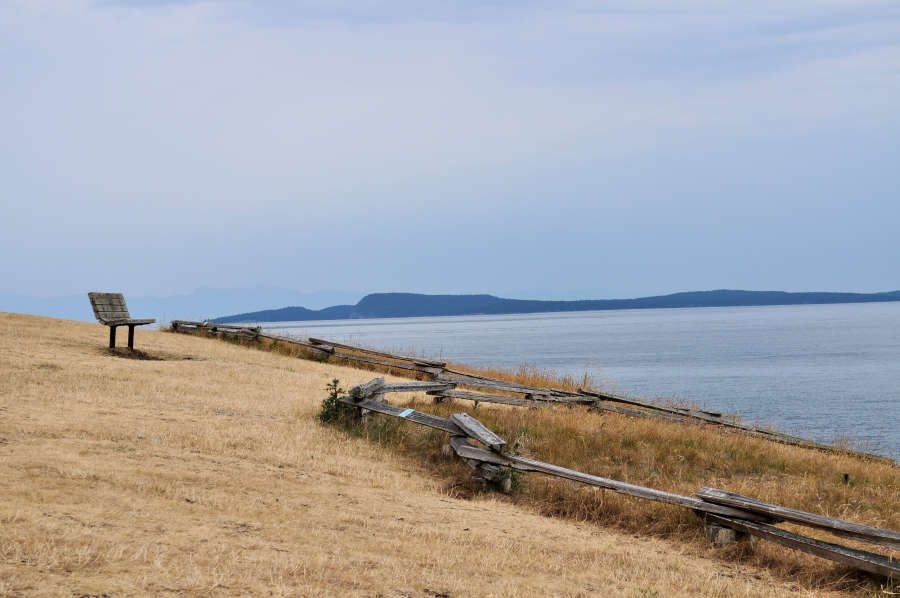
Green Point
Positioned along the western edge of the Washington Park loop, this grassy outcropping offers a direct view of the Rosario Strait. Photographers can frame passing marine life against the backdrop of the San Juan Islands.
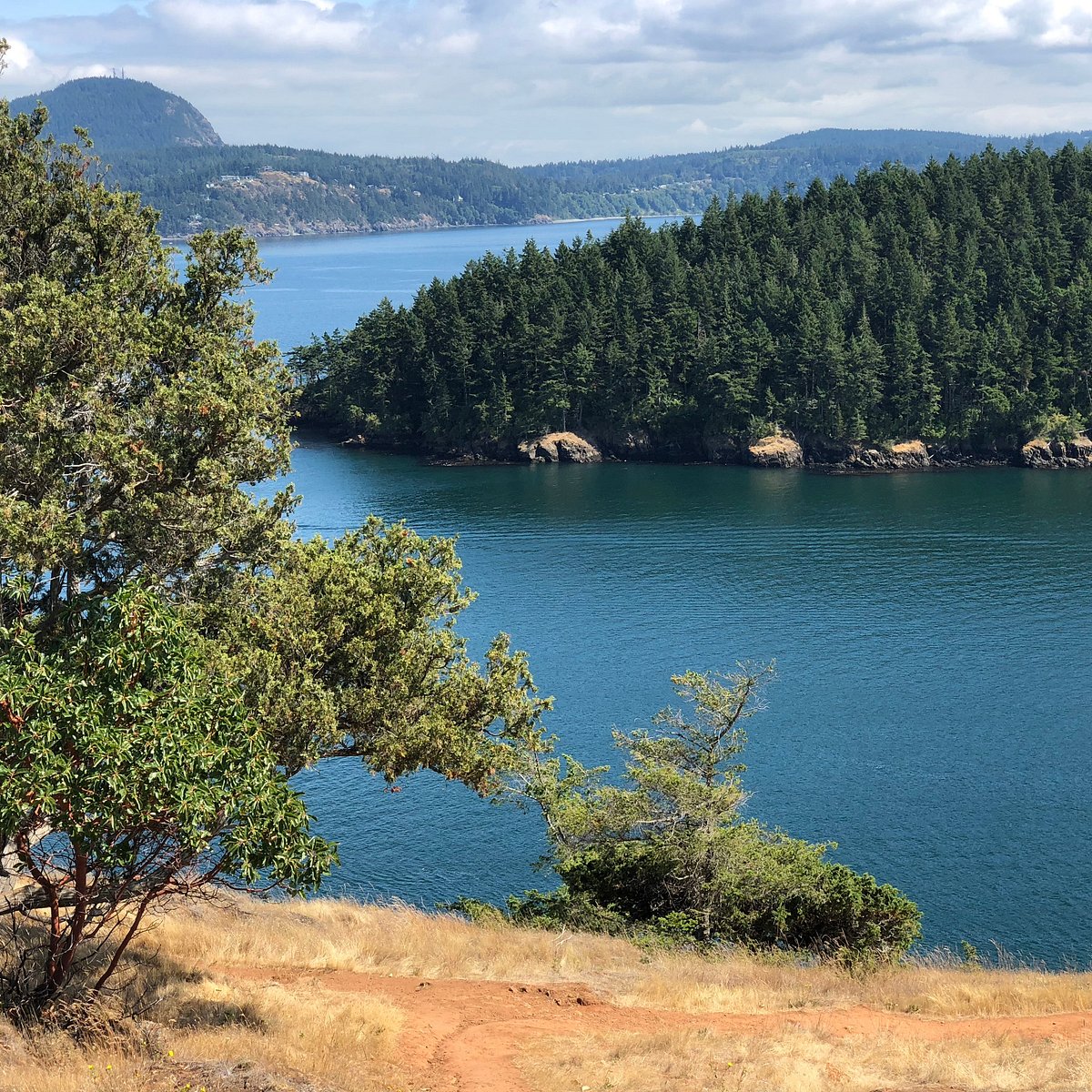
Burrows Pass Overlook
Accessible via the Washington Park Loop Road, this elevated viewpoint looks directly down into the narrow channel. Use a telephoto lens to capture harbor porpoises and transient orcas traversing the swift currents.
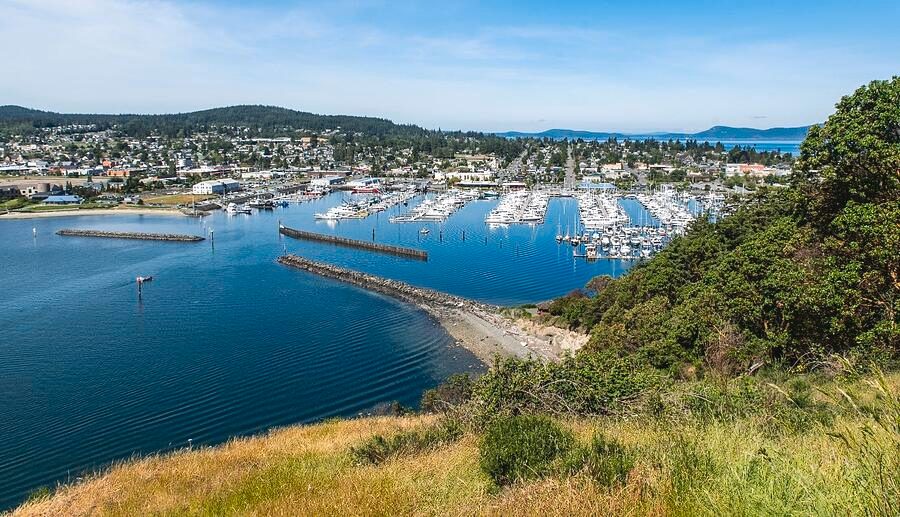
Cap Sante Park Summit
This rocky promontory provides a panoramic vista looking east over Fidalgo Bay and north toward the Guemes Channel. Capture wide-angle landscapes featuring the distant Mount Baker or zoom in on active harbor seals below.
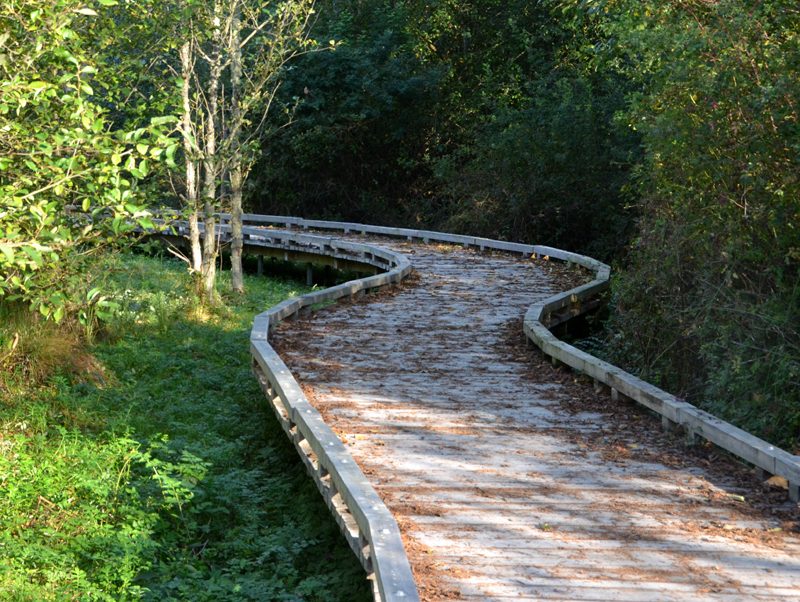
Ship Harbor Interpretive Preserve Boardwalk
This flat boardwalk winds along the sandy shoreline of Guemes Channel just east of the ferry terminal. Shoot from a low angle to capture water reflections and marine mammals surfacing close to the beach.
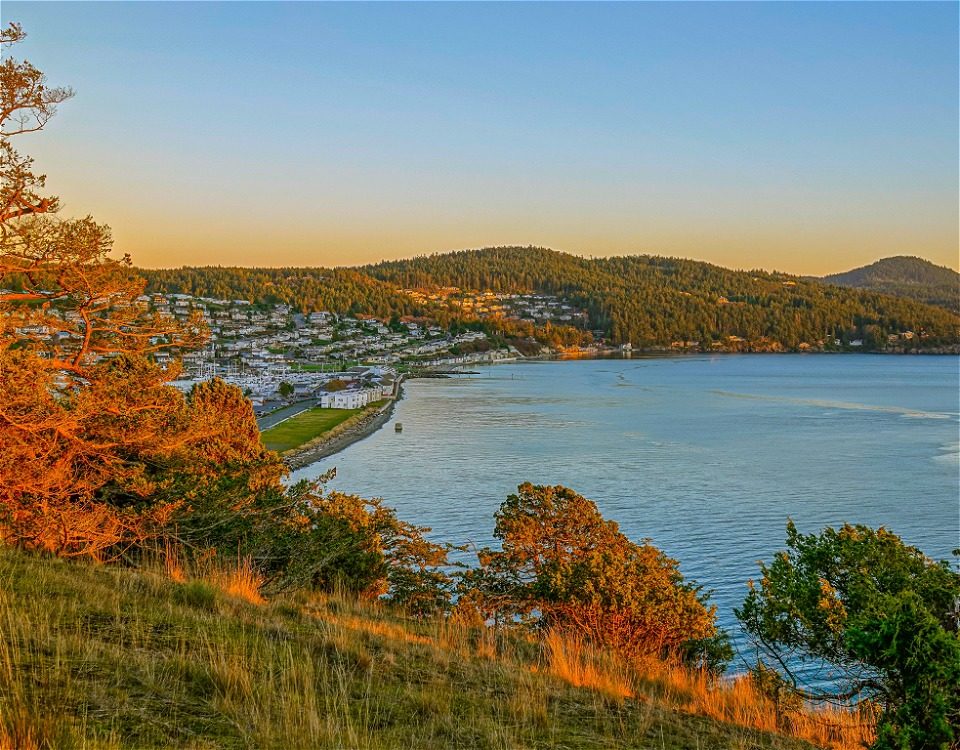
Kiwanis Waterfront Park
Situated on the northern shoreline of Fidalgo Island, this park features telescope stations and benches overlooking the Guemes Channel. Compose shots looking across the water toward Guemes Island to capture passing wildlife and vessels.
Budgeting for Your Anacortes Whale Watching Excursion
While watching marine life from the Anacortes shoreline incurs no cost, embarking on a commercial vessel tour requires purchasing individual tickets. Ticket prices depend on the passenger's age, the season, the duration of the excursion, and the specific tour operator selected.
A typical adult pays about 119 USD for a boat tour, though booking at least 30 days in advance can reduce the price.
A Preparation Checklist for the Anacortes Whale Watching Season
A little planning ahead of your Anacortes whale watching trip keeps you comfortable on the water and confident about your spot.
-
Book your tour in advance — Popular departures fill quickly during peak weeks, so reserve through the site's booking pages early.
-
Confirm your booking details — Check your departure time and bring a valid photo ID for the operator's check-in.
-
Pack waterproof outer layers — A waterproof jacket and pants keep spray and wind off during open-water stretches.
-
Dress in warm layers — Water temperatures make conditions cooler than shore, so add fleece or wool under your shell.
-
Bring binoculars — 8x or 10x magnification helps you spot dorsal fins and blows at distance.
-
Prepare your camera gear — A zoom lens and charged batteries capture wildlife without needing to move closer.
-
Aim for a morning departure — Arriving within 09:00–13:00 often means calmer water and clearer wildlife visibility.
-
Add motion-sickness precautions — Take remedies before boarding if open water tends to unsettle you.
How to Travel to Your Anacortes Whale Watching Departure Point
Anacortes is located on Fidalgo Island and is connected directly to the Washington mainland by bridge, allowing visitors to drive to their departure point without booking a ferry. Traveling by car from Seattle or Bellingham is the most direct approach.
I-5 North and WA-20 West to Cap Sante Marina (1019 Q Avenue)
I-5 South and WA-20 West to Cap Sante Marina (1019 Q Avenue)
Bellair Airporter Shuttle from Sea-Tac Airport to Cap Sante Marina (1019 Q Avenue)
Visitor Center Operations During the Anacortes Whale Watching Season
The visitor center at 1019 Q Avenue operates daily from 08:00 to 18:00 to assist with travel planning and local logistics.
| Monday | 08:00–18:00 | Maps and local guides available |
|---|---|---|
| Tuesday | 08:00–18:00 | Maps and local guides available |
| Wednesday | 08:00–18:00 | Maps and local guides available |
| Thursday | 08:00–18:00 | Maps and local guides available |
| Friday | 08:00–18:00 | Maps and local guides available |
| Saturday | 08:00–18:00 | Maps and local guides available |
| Sunday | 08:00–18:00 | Maps and local guides available |
Daily hours remain standard during the whale watching season, though the office closes on major holidays.
Nearby Attractions to Visit After Your Anacortes Whale Watch
Fidalgo Island and the neighboring Skagit Valley offer coastal parks and historic waterside communities that fit easily into a day trip. Combining your whale watching cruise with these regional stops provides a complete view of the local landscape from both land and sea.
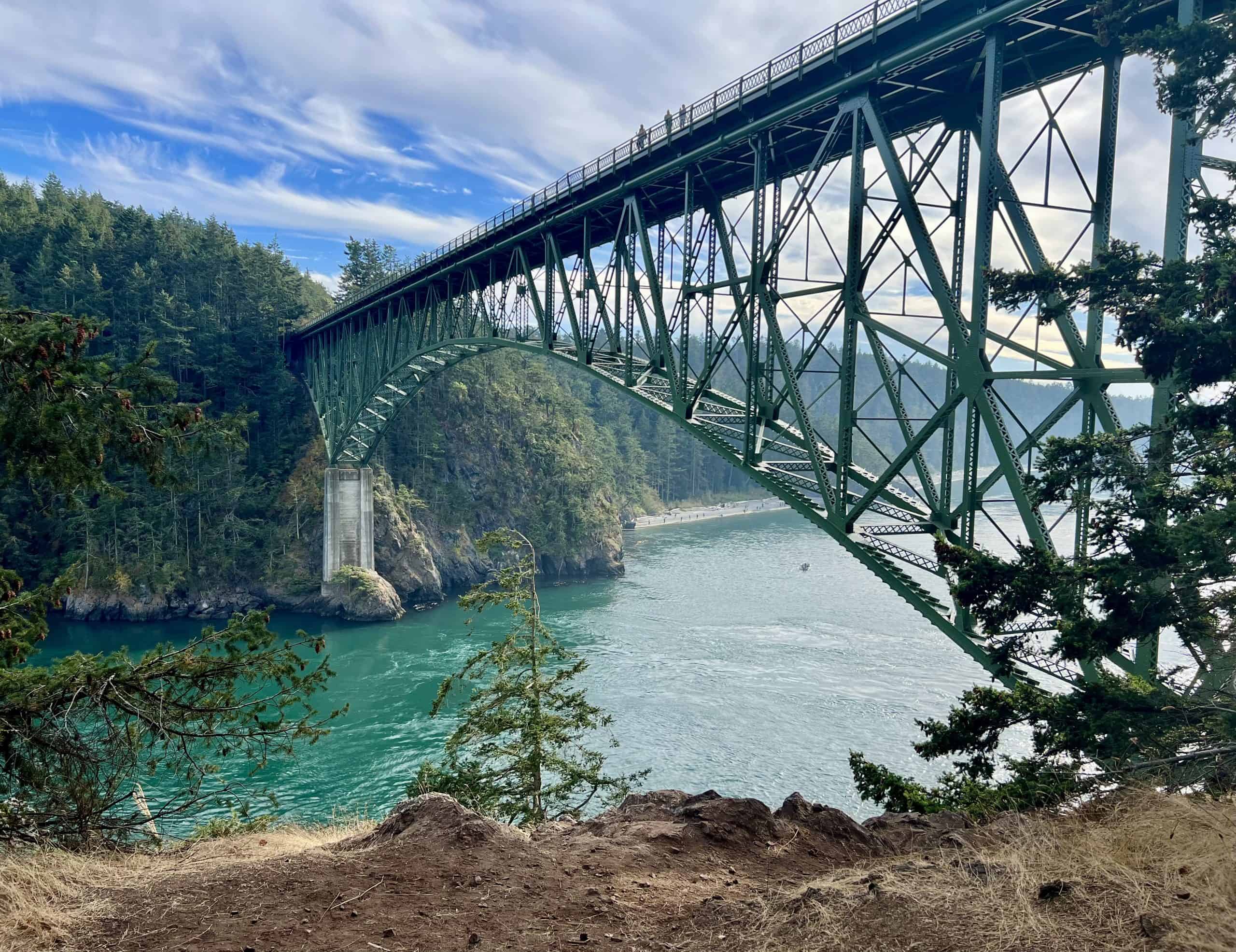
Deception Pass State Park
Walk across the high bridge to watch the dramatic tidal currents or walk along the forested saltwater shoreline. This park pairs well with a marine tour by letting you view the same coastal channels from land.
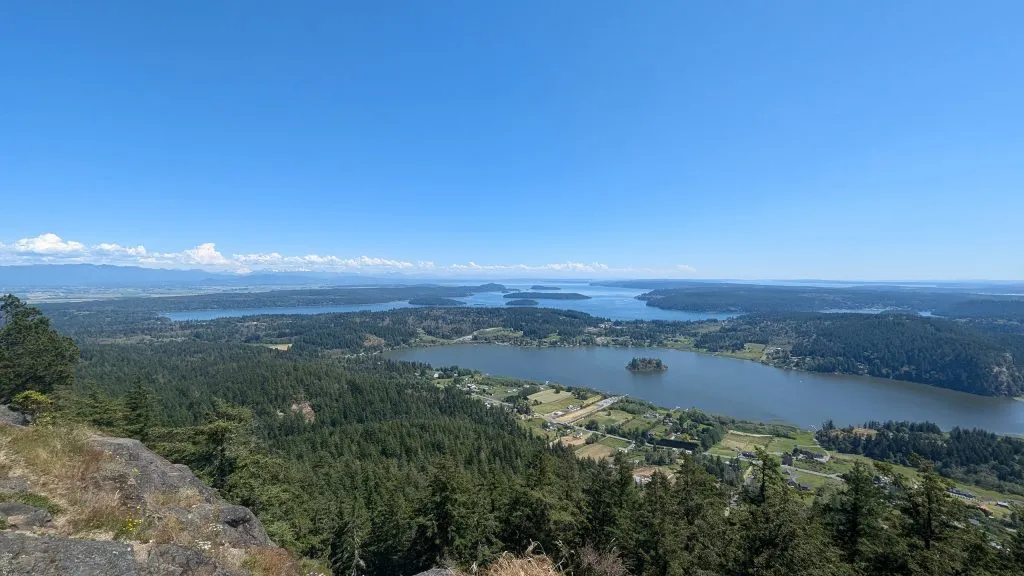
Mount Erie
Drive or hike to the highest summit on Fidalgo Island for views of the surrounding channels and Cascade Mountains. It complements a boat excursion by showing you the waters you navigated from a high vantage point.
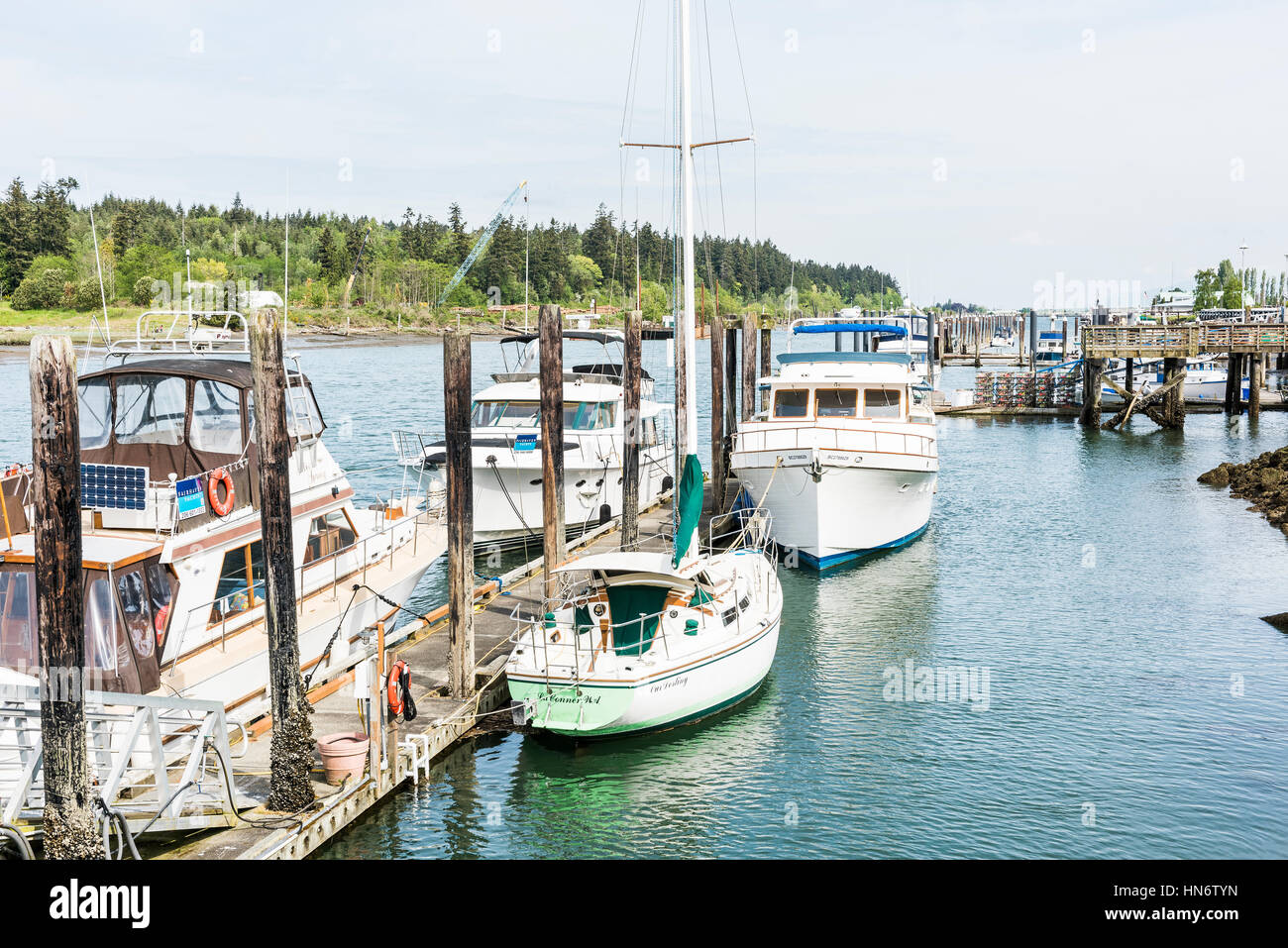
Historic La Conner
This waterside town features local art museums, boutiques, and dining along the Swinomish Channel. It serves as a relaxing place to get a meal and stroll after a morning spent on the water.
Check availability
Frequently asked questions about anacortes whale watching season
Everything you need to know about anacortes whale watching season